
Why is this the best plan forward?
15 minute neighborhoods revitalize local retail, create affordable housing and home ownership, address the need for parking, reduce traffic and climate emissions- while being wildly popular.
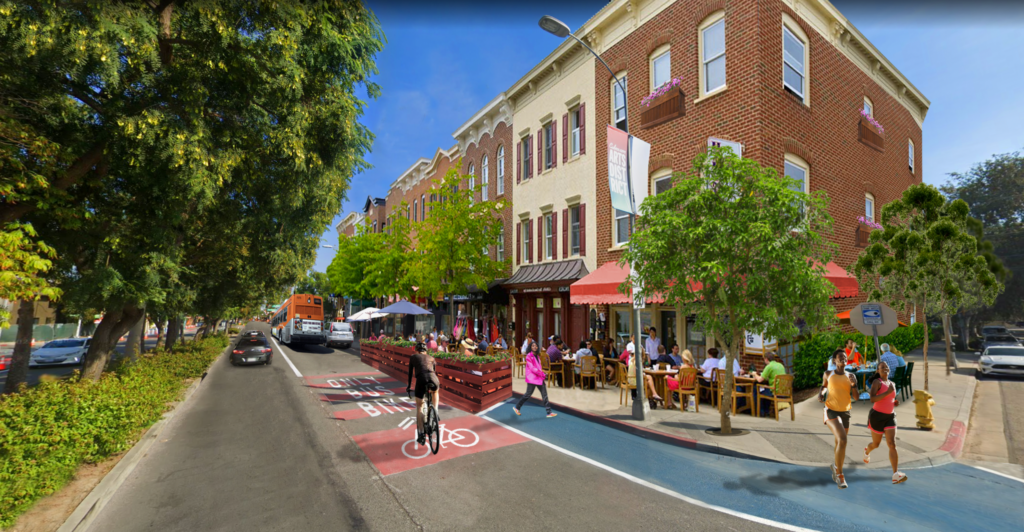
The only plan beloved by NIMBYs and YIMBYs:
The ‘Town Center’
Residential over retail along a walkable street creates a ‘Town Center’ that can be the backbone of a neighborhood. These streets can become the social and economic centers of a community.
Town Centers are beloved and the most highly sought-after amenity in real estate – people will even pay ~15% more to live where they can walk to a 15 minute ‘main street.’
Livable Communities has found near-universal support from neighbors, local businesses, and parcel owners (BIDs) alike. Given the acrimony over housing, this housing typology creates an opportunity to unite people around housing – so together communities can push cities to streamline housing and improvements to the public realm.

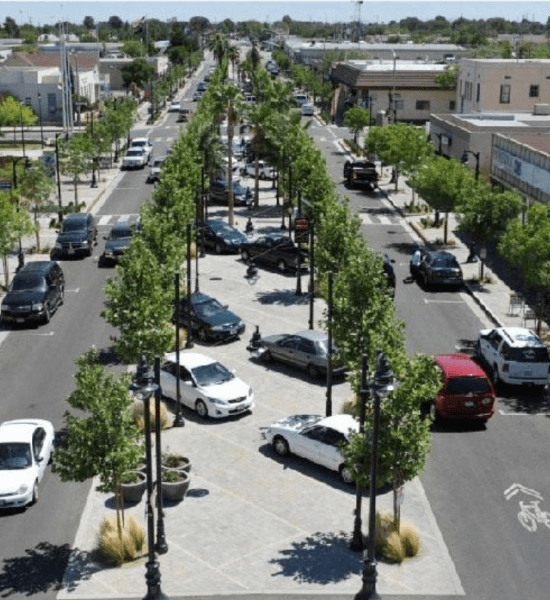
Parking, Traffic and Climate
Walkable Town Centers are one of the few ways to address traffic and vehicle miles travelled (VMT), making them critically important for reducing air pollution and climate emissions.
Town Centers do this by addressing parking by removing the need to own a car. Residents have access to car share, Waymo, and transit.
Removing parking makes housing is cheaper to rent or buy, and cheaper to build.
Lancaster, CA Parking Ramblas – designed by Sargent Town Planning
Did you know?
30% of the population doesn’t drive, many due to an invisible disability. Seniors lose the ability to drive for an average of the last 7-10 years of life. The yearly cost of a budget car all-in – car payments, gas, fees, and insurance — is $11,000 per year. 78% of people would pay more for a home in a walkable community.

The way we have traditionally built…

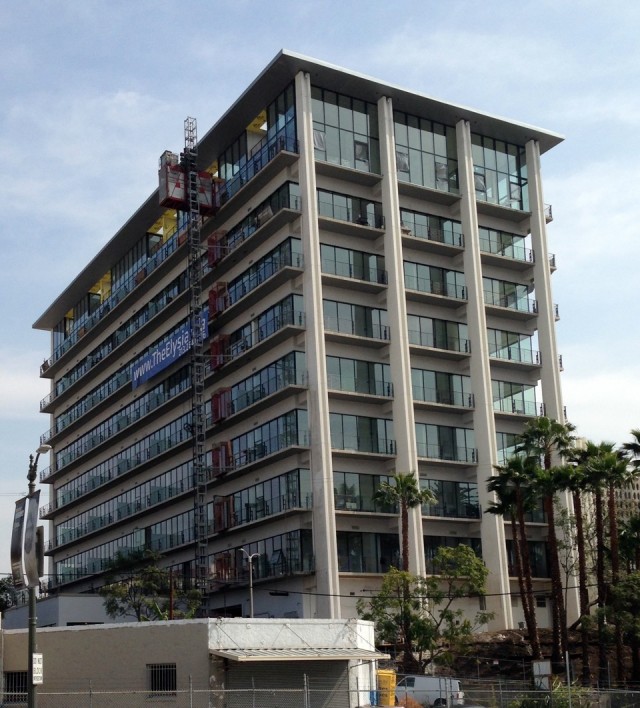
Too Many Cars
Residents have historically resisted the building of multi-family housing in their neighborhoods (NIMBY) because of the devastating impact of increased traffic and congestion on their daily lives.
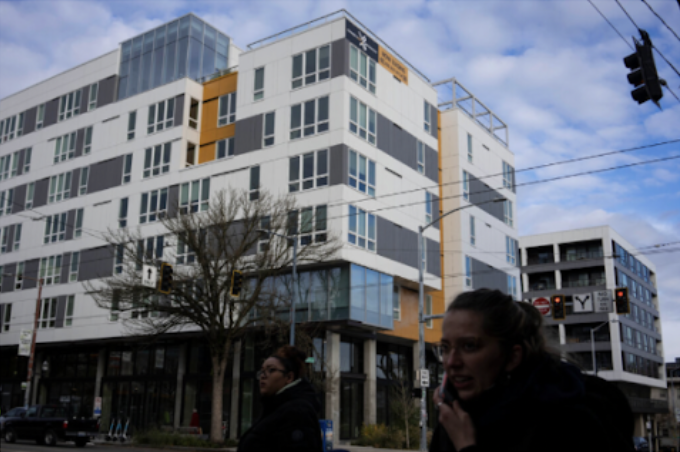
5-Over-1 Ugliness
As the cheapest approach to multi-unit construction, this unattractive style has become a necessity for property owners who otherwise cannot afford to build.
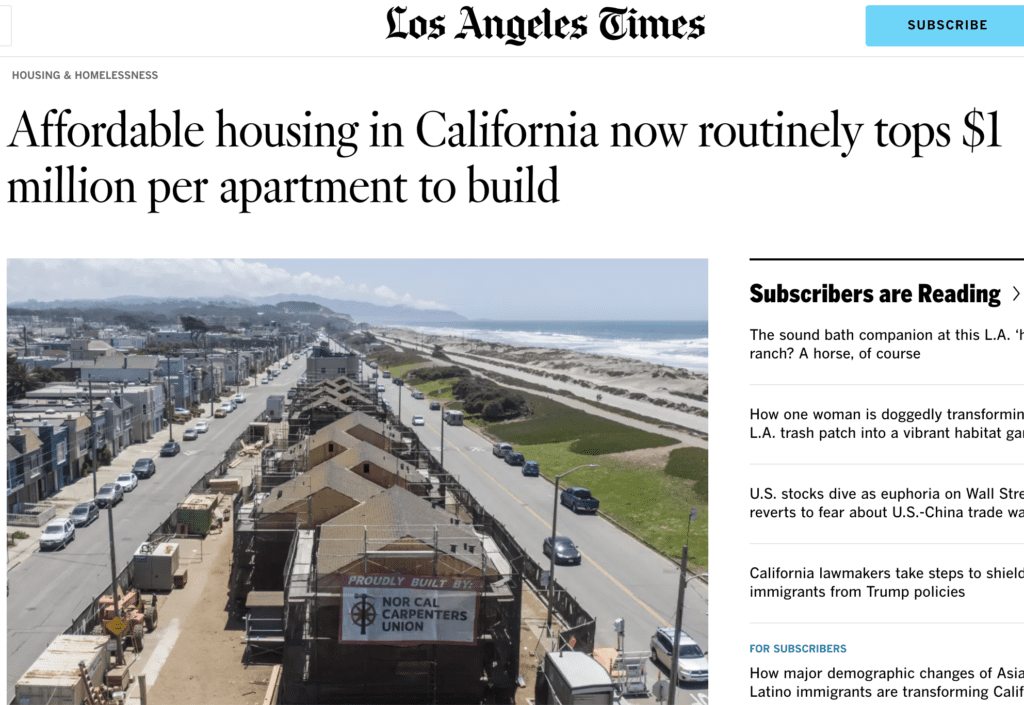
Luxury or Monstrosity
Given our current process and requirements, all multi-unit properties fall into one of two camps: privately-built unaffordable luxury or tax-funded overly expensive monstrosities no one would want to live in or live near.
The LCI approach lowers cost to build while holding builders to a standard of quality and beauty.
The way we need to build…

Neighborhood-Serving Retail
LCI incentivizes the right kind of retail – useful yet charming. LCI residents live in solid blocks of 3-5 story residential-over-retail buildings. This increases a neighborhood’s walkability rather than its traffic. As residents increase in number, neighborhood-serving businesses can thrive. Then, the entire neighborhood transforms for the better as all can enjoy short walks to every needed good, service, and amenity.
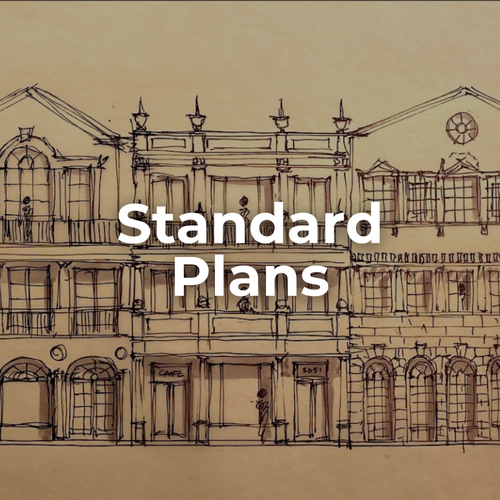
Incentivized quality
Property owners in a Livable Community can afford to build beautiful, high quality buildings that people would want to live in, live near, and stroll by.
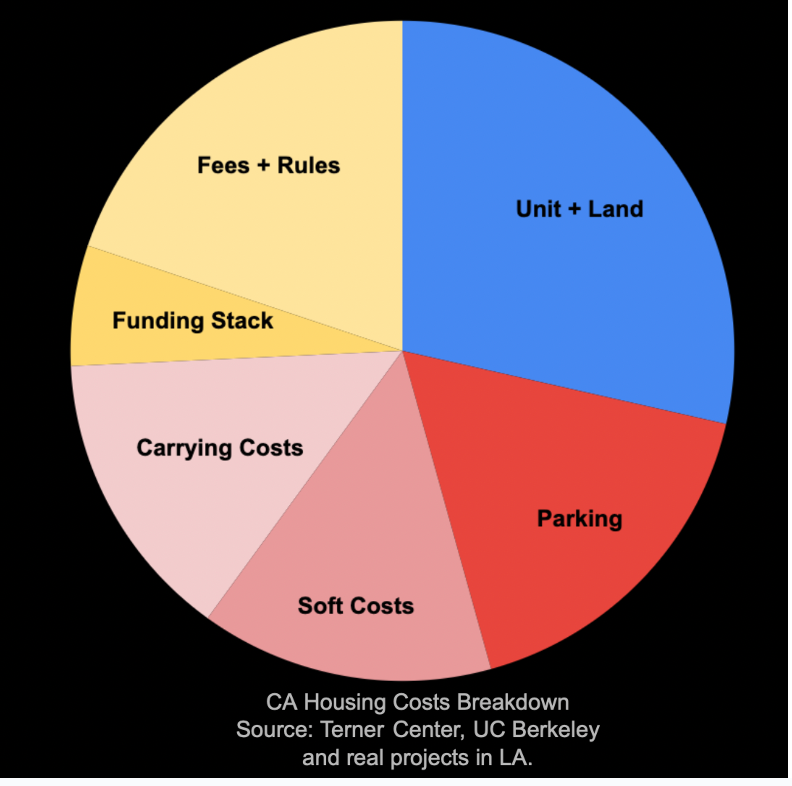
Streamline and Fast Track
The LCI approach lowers cost to build while holding builders to a standard of quality and beauty.